Exploring the World of AI Art Fusion Explained
Updated: Oct 10
Artificial intelligence is reshaping many creative fields, and art is no exception. The fusion of AI and traditional artistic methods is opening new doors for expression and innovation. This blog post dives into the fascinating world of AI art fusion, explaining what it is, how it works, and why it matters. Whether you are curious about the technology behind it or eager to explore new artistic possibilities, this guide offers clear insights and practical examples.
What Is AI Art Fusion Explained?
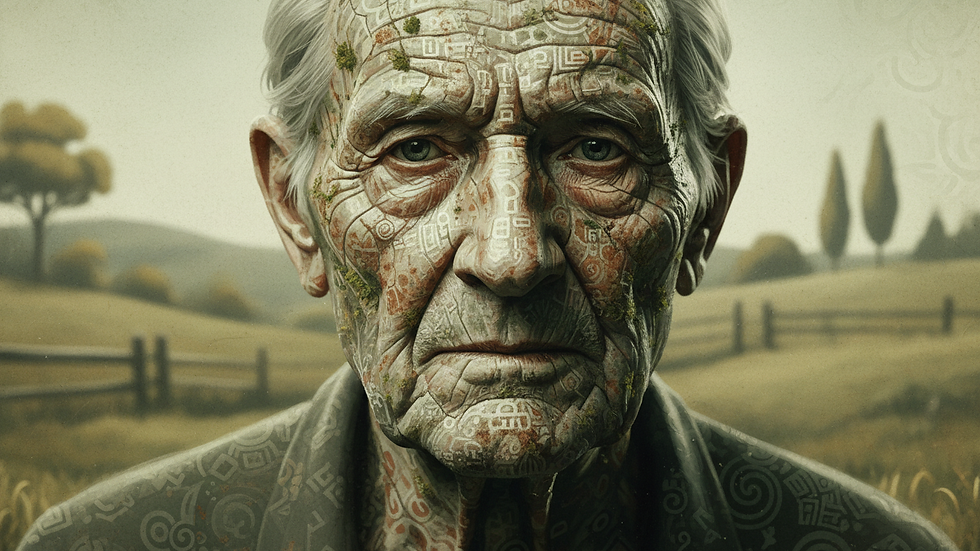
AI art fusion refers to the blending of human creativity with artificial intelligence technologies to produce unique artworks. Unlike purely human-made or fully automated art, this approach combines the strengths of both. Artists use AI tools to generate ideas, enhance details, or create entirely new visual elements that would be difficult or impossible to achieve manually.
At its core, AI art fusion involves algorithms that learn from vast datasets of images, styles, and patterns. These algorithms can then generate new images or modify existing ones based on specific inputs or creative directions. The result is a hybrid artwork that reflects both human intention and machine innovation.
For example, an artist might start with a hand-painted sketch and use AI to add complex textures or surreal effects. Alternatively, AI can generate a base image that the artist refines and personalises. This collaboration expands the creative toolkit and encourages experimentation.

How AI Art Fusion Works: Techniques and Tools
Understanding the mechanics behind AI art fusion helps appreciate its potential. Several key techniques power this creative process:
Generative Adversarial Networks (GANs): These are AI models that pit two neural networks against each other to create realistic images. One network generates images, while the other evaluates them, improving quality over time.
Style Transfer: This technique applies the style of one image (like a famous painting) to another image, blending content and style seamlessly.
Neural Networks: These mimic the human brain’s structure to recognise patterns and generate new visuals based on learned data.
Deep Learning: A subset of machine learning that enables AI to understand complex features in images and create detailed outputs.
Artists often use software platforms that integrate these technologies, allowing them to input their ideas and guide the AI’s output. The process is iterative, with artists tweaking parameters and selecting the best results.
For instance, an artist might use style transfer to combine the brushstrokes of Van Gogh with a modern cityscape photo. The AI interprets the textures and colours, producing a new image that feels both classic and contemporary.
The Impact of AI Art Fusion on Creativity and Art Markets
AI art fusion is not just a technical novelty; it is transforming how art is created, perceived, and valued. Here are some significant impacts:
Expanding Creative Boundaries: Artists can explore styles and concepts beyond their traditional skills. AI acts as a creative partner, suggesting unexpected directions.
Democratising Art Creation: With AI tools becoming more accessible, more people can experiment with art, regardless of their technical skills.
New Art Forms: AI enables dynamic, interactive, and generative art that evolves over time or responds to viewers.
Market Growth: AI-generated artworks are gaining recognition in galleries and auctions, attracting collectors interested in cutting-edge art.
This fusion challenges traditional ideas about authorship and originality. Who is the artist when a machine contributes significantly? The answer often lies in the collaboration itself, where human vision guides AI capabilities.
Practical Tips for Exploring AI Art Fusion
If you want to dive into AI art fusion, here are some practical steps to get started:
Learn the Basics: Familiarise yourself with AI concepts like neural networks and style transfer. Many online courses and tutorials are available.
Experiment with Tools: Try user-friendly platforms that offer AI art generation features. Some allow you to upload your images and apply AI effects easily.
Combine Techniques: Don’t rely solely on AI. Use it alongside traditional methods like sketching, painting, or digital editing.
Join Communities: Engage with online forums and social media groups focused on AI art. Sharing experiences and feedback accelerates learning.
Stay Ethical: Respect copyright and originality. Use AI responsibly, especially when working with datasets or styles created by others.
For those interested in exploring further, platforms offering ai generated art fusion online provide accessible environments to experiment and showcase creations.
Looking Ahead: The Future of AI Art Fusion
The journey of AI art fusion is just beginning. As AI technologies evolve, so will their creative applications. Future developments may include:
More Intuitive Interfaces: Making AI tools easier to use for artists of all levels.
Enhanced Collaboration: Real-time interaction between artists and AI during the creative process.
Cross-Disciplinary Art: Combining AI art with music, dance, and virtual reality for immersive experiences.
Personalised Artworks: AI creating art tailored to individual tastes and emotions.
This evolving landscape invites continuous exploration and redefines what art can be. The fusion of human creativity and artificial intelligence promises a vibrant future where imagination knows no bounds.
Exploring AI art fusion reveals a world where technology and creativity meet to inspire new forms of expression. Whether you are an artist, collector, or simply curious, embracing this fusion opens exciting possibilities. Keep experimenting, stay curious, and watch how AI continues to transform the art world.


Comments