Prompt Engineering for Non-Artists: You Don't Need to Draw
Updated: Oct 10
If you've looked at AI art and thought 'that looks incredible, but it's probably not for me' — because you can't draw, don't have a creative background, haven't studied design — this article is written specifically for you. The truth is this: AI art is one of the few creative fields where your ability to draw is completely irrelevant. And your ability to write — to describe, to communicate, to put a picture into words — is everything.
The real skill in AI art
When someone creates a stunning AI image, they're not drawing it. They're not using Photoshop. They're writing. They're describing, in words, what they want to see. They're making choices about style, mood, lighting, subject, atmosphere. And then they're interpreting what comes back, iterating, adjusting, refining — until the image matches their vision. Every single one of those steps is a language skill, not a visual skill.
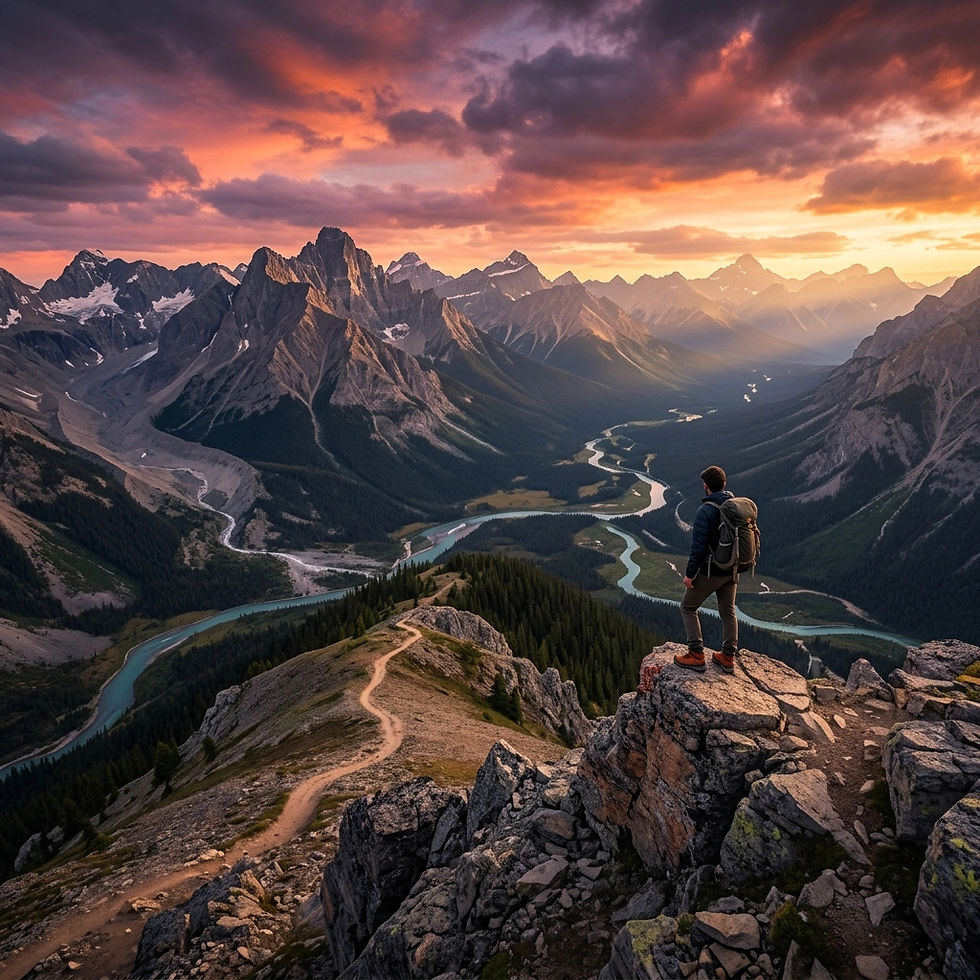
Why 'I'm not creative' is the wrong frame
There's a common misconception that creativity is something you either have or you don't. It isn't. Creativity is a practice. Most people who think they're not creative have simply never been given a creative medium that felt accessible to them. AI art has almost no barrier to entry. You type words. You look at results. You notice what you like and what you'd change. You adjust.
What you bring that matters
Descriptive ability — can you describe a scene clearly? Aesthetic awareness — have you ever looked at a photo and thought 'I love the light in this'? Curiosity — the willingness to try something, look at what comes back, notice what you'd change, and try again. None of these require formal training. They're habits of attention — and they're developable in anyone.
Real examples: non-artist prompts that work
'A cosy kitchen in the early morning, warm light coming through the window, a cup of tea on the table, painterly, nostalgic' — this is a perfectly good prompt. It has a subject, a scene, a mood (nostalgic), a style (painterly), and lighting (warm morning light). No technical jargon. No complex vocabulary. It will produce beautiful results.
'A futuristic city at night, neon lights reflecting in rain puddles, quiet and melancholy, cinematic wide shot' — subject, atmosphere, mood, style, composition. Five elements, all expressed in plain language. This will produce a striking image.
The confidence barrier
For many people, the real obstacle to starting isn't ability — it's confidence. The fear that results will be disappointing. Here's the honest truth about starting: your first prompts will probably produce mediocre results. So will your second, third, and tenth. That's not failure — it's the learning process. The click — the moment where something comes out that genuinely surprises and delights you — usually happens within the first few hours of experimenting.
Part of our Prompt Engineering series:


Comments