Master Key AI Art Techniques for Stunning Creations
Updated: 16 hours ago
Artificial intelligence has transformed the way art is created, opening up exciting possibilities for digital creators and art enthusiasts alike. If you’re eager to explore this innovative field, mastering key AI art techniques is essential. These techniques will help you harness AI tools effectively, turning your creative ideas into captivating digital artworks. Ready to dive in? Let’s explore the core methods that will elevate your AI art journey.
Understanding Key AI Art Techniques
Before you start creating, it’s important to understand the foundational techniques that power AI-generated art. These methods combine traditional artistic principles with cutting-edge technology, allowing you to experiment and innovate.
Neural Style Transfer: This technique lets you apply the style of one image to the content of another. Imagine transforming a simple photo into a Van Gogh-inspired masterpiece. Neural networks analyse the textures and brushstrokes of the style image and blend them with the shapes and objects of your content image.
Generative Adversarial Networks (GANs): GANs consist of two neural networks competing against each other - one generates images, and the other evaluates them. This push-and-pull dynamic results in highly realistic and creative outputs. You can use GANs to create portraits, landscapes, or abstract art that feels fresh and unique.
Text-to-Image Synthesis: This technique converts written descriptions into images. By inputting a detailed prompt, you can generate artwork that matches your vision without needing to draw manually. It’s a powerful way to bring imaginative concepts to life quickly.
Image-to-Image Translation: This method transforms images from one domain to another, such as turning sketches into photorealistic images or converting daytime photos into night scenes. It’s perfect for enhancing or reimagining your existing artwork.
By mastering these techniques, you’ll gain the flexibility to create diverse styles and experiment with new forms of digital expression.

How is AI-generated art made?
You might wonder how AI-generated art actually comes to life. The process involves several key steps that blend your input with the AI’s computational power.
Input Preparation: Start with your base material. This could be a photo, a sketch, or a text prompt describing the image you want.
Model Selection: Choose the AI model or tool that fits your creative goal. Different models specialise in styles, realism, or abstract generation.
Processing: The AI processes your input through layers of neural networks. It analyses patterns, textures, and shapes to generate new visuals.
Refinement: You can tweak parameters like colour, style intensity, or detail level to refine the output. Many tools offer sliders or options to customise the result.
Iteration: Often, you’ll run multiple iterations, adjusting inputs and settings until the artwork matches your vision.
This workflow allows you to collaborate with AI as a creative partner, guiding the machine’s output while adding your personal touch.
Practical Tips to Enhance Your AI Art Creations
Creating impressive AI art is not just about using the right tools - it’s also about how you approach the process. Here are some actionable tips to help you get the most out of your AI art projects:
Start with Clear Concepts: Define what you want to create before using AI. A clear idea helps you craft better prompts or select suitable images for style transfer.
Experiment with Prompts: If you’re using text-to-image synthesis, try different descriptive words and phrases. Be specific about colours, mood, and composition to guide the AI.
Combine Techniques: Don’t limit yourself to one method. For example, use neural style transfer on a GAN-generated image to add unique textures.
Use High-Quality Inputs: The better your source images or prompts, the more detailed and polished your final artwork will be.
Learn from the Community: Join forums and social media groups focused on AI art. Sharing your work and seeing others’ creations can inspire new ideas and techniques.
By applying these tips, you’ll develop a more intuitive and effective workflow, making your AI art stand out.
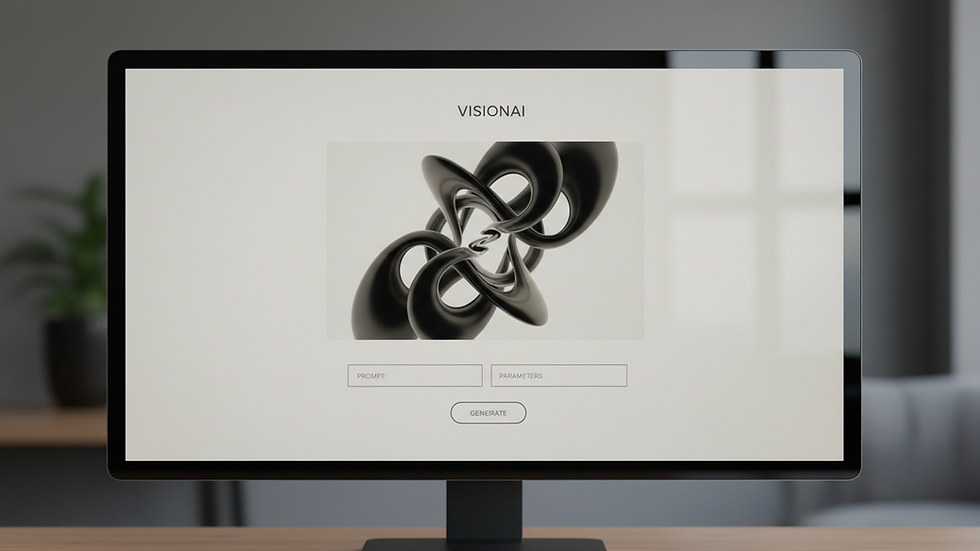
Exploring Creative Possibilities with AI Art
AI art creation is not just about replicating existing styles; it’s about pushing boundaries and discovering new aesthetics. Here are some exciting ways to expand your creative horizons:
Abstract and Surreal Art: Use AI to generate unexpected shapes and colour combinations that challenge traditional art norms.
Interactive Art: Combine AI with interactive platforms to create art that responds to viewer input or environmental data.
Mixed Media: Blend AI-generated elements with hand-drawn or photographic components for a hybrid artistic style.
Custom Styles: Train your own AI models on specific art styles or personal artwork to create truly unique outputs.
These approaches encourage you to think beyond conventional art and explore the limitless potential of AI.
Your Next Steps in AI Art Creation
Now that you’ve learned about the essential techniques and creative strategies, it’s time to put them into practice. Start by experimenting with simple projects and gradually incorporate more complex methods. Remember, mastering AI art is a journey that combines technical skills with artistic intuition.
If you want to deepen your knowledge, consider exploring resources and tutorials that focus on ai art creation techniques. These guides can provide step-by-step instructions and inspiration tailored to your interests.
Embrace the learning process, stay curious, and don’t hesitate to try new ideas. With patience and practice, you’ll unlock the full potential of AI to create stunning digital art that reflects your unique vision.

Comments