Master Key AI Art Techniques in AI Art Creation
Artificial intelligence has transformed the way art is created, opening up new possibilities for creativity and expression. If you’re eager to explore this exciting frontier, mastering key AI art techniques is essential. These techniques will help you harness AI tools effectively, turning your ideas into stunning digital artworks. Ready to dive in? Let’s explore the core methods that will elevate your AI art creation journey.
Understanding Key AI Art Techniques
Before you start creating, it’s important to understand the foundational techniques that power AI art. These methods combine artistic intuition with computational power, allowing you to generate unique visuals that might be difficult to produce manually.
Neural Style Transfer: This technique blends the style of one image with the content of another. Imagine taking the brushstrokes of Van Gogh and applying them to a modern photograph. Neural style transfer uses deep learning to separate and recombine content and style, giving you endless creative options.
Generative Adversarial Networks (GANs): GANs consist of two neural networks competing against each other - one generates images, and the other evaluates them. This push-and-pull dynamic results in highly realistic or abstract images, depending on your input and training data.
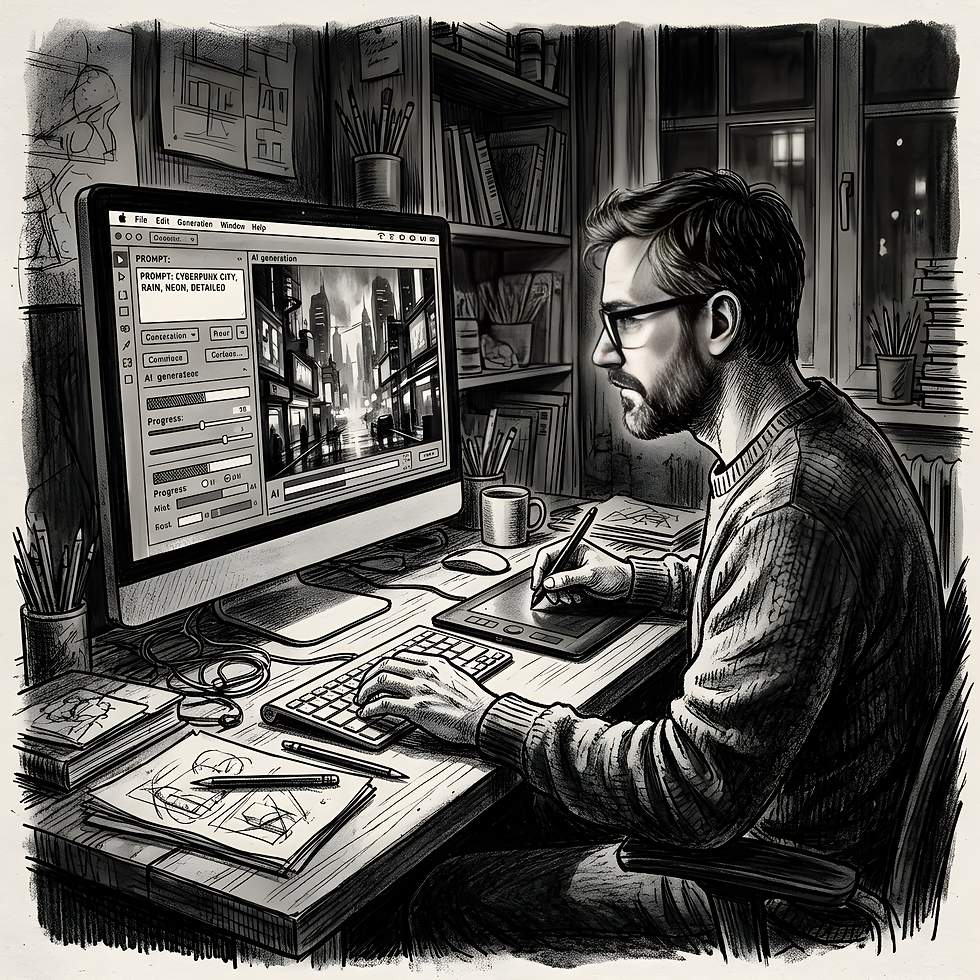
Text-to-Image Synthesis: This method allows you to create images from textual descriptions. By inputting a detailed prompt, AI models generate visuals that match your words. This is perfect for artists who want to experiment with concepts before committing to a design.
Image-to-Image Translation: This technique transforms an input image into a different style or form. For example, turning a sketch into a photorealistic image or converting daytime photos into night scenes.
Each of these techniques offers unique creative possibilities. Which one sparks your curiosity the most?

How is AI-generated art made?
Creating AI-generated art involves several steps, from preparing your input to refining the output. Here’s a straightforward breakdown of the process:
Choose Your AI Tool: There are many platforms and software options available, each specialising in different techniques. Select one that fits your artistic goals and technical comfort level.
Prepare Your Input: Depending on the technique, this could be an image, a text prompt, or a combination of both. The quality and detail of your input greatly influence the final result.
Configure Parameters: Most AI art tools allow you to adjust settings such as style intensity, resolution, and iteration count. Experimenting with these parameters helps you find the perfect balance.
Generate the Artwork: Run the AI model to create your image. This step may take a few seconds to several minutes, depending on the complexity and your hardware.
Refine and Edit: AI-generated art often benefits from post-processing. Use digital editing tools to tweak colours, enhance details, or combine multiple outputs.
Save and Share: Once satisfied, save your artwork in the desired format. Sharing your creations can inspire others and open doors to new collaborations.
By understanding this workflow, you can approach AI art creation with confidence and creativity.
Practical Tips to Enhance Your AI Art Creation
Mastering AI art is not just about knowing the techniques but also about applying them effectively. Here are some actionable tips to help you get the most out of your AI art projects:
Start Simple: Begin with basic projects to understand how different parameters affect the output. For example, try a simple style transfer before moving on to complex GAN-generated images.
Use High-Quality Inputs: The better your source images or prompts, the more impressive your results will be. Clear, detailed inputs give the AI more to work with.
Experiment with Prompts: When using text-to-image synthesis, try varying your descriptions. Add adjectives, specify colours, moods, or lighting to guide the AI more precisely.
Combine Techniques: Don’t hesitate to mix methods. For instance, generate an image with GANs and then apply style transfer for a unique effect.
Keep a Creative Journal: Document your experiments, settings, and outcomes. This habit helps you learn from successes and failures alike.
Engage with Communities: Join forums or social media groups focused on AI art. Sharing your work and getting feedback can accelerate your growth.
These tips will help you build a solid foundation and develop your unique artistic voice using AI.
Exploring Ethical and Creative Considerations
As you delve deeper into AI art, it’s important to reflect on the ethical and creative implications. AI-generated art raises questions about originality, authorship, and the role of the artist.
Originality: AI models learn from existing artworks, which means your creations are often influenced by prior human art. How do you ensure your work remains original and respectful?
Authorship: When AI plays a significant role, who is the true creator? You, the AI, or both? Clarifying this can affect how you present and protect your work.
Bias and Representation: AI models can inherit biases from their training data. Be mindful of how this might affect the diversity and inclusivity of your art.
Creative Freedom: AI can be a powerful collaborator, but it’s still your vision that guides the process. Use AI as a tool to enhance, not replace, your creativity.
Thinking about these aspects will help you create meaningful and responsible AI art.
Your Next Steps in AI Art Creation
Now that you’ve explored the key AI art techniques and the creative process, it’s time to put your knowledge into practice. Start by experimenting with different AI tools and techniques. Remember, the journey is as important as the destination.
If you want to deepen your understanding, consider exploring resources that focus on ai art creation techniques. These guides can provide step-by-step instructions and inspiration tailored to your interests.
Keep pushing boundaries, stay curious, and enjoy the exciting world of AI art. Your unique creations await!
By mastering these key AI art techniques, you’re well on your way to creating captivating digital art that blends technology and imagination. What will you create next?

Comments